Britain's Forgotten Slave Owners - Season 1
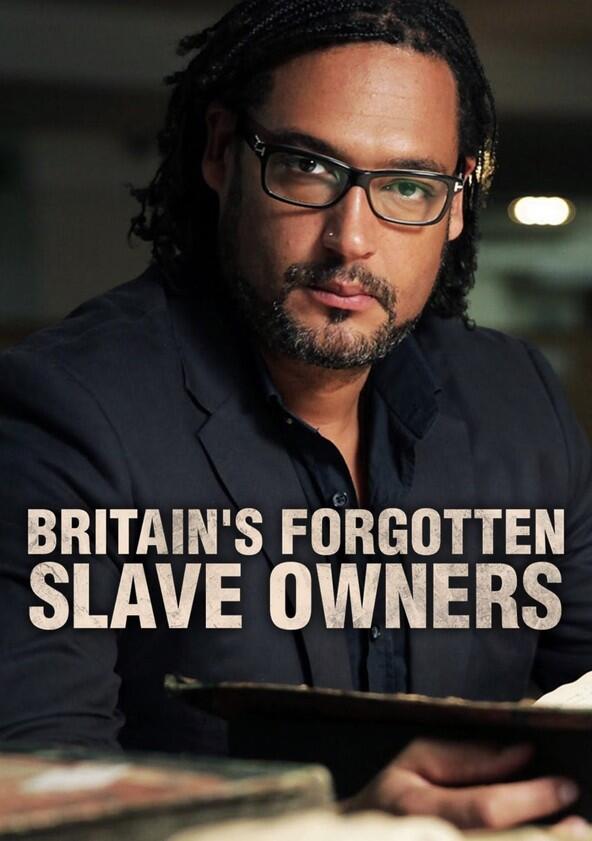
Season 1

Episodes
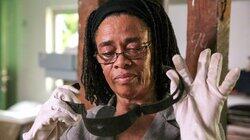
Profit and Loss
In 1834 Britain abolished slavery, a defining and celebrated moment in our national history. What has been largely forgotten is that abolition came at a price. The government of the day took the extraordinary step of compensating the slave owners for loss of their 'property', as Britain's slave owners were paid 17bn GBP in today's money, whilst the slaves received nothing.
For nearly 200 years, the meticulous records that detail this story have lain in the archives virtually unexamined - until now. In an exclusive partnership with University College London, historian David Olusoga uncovers Britain's forgotten slave owners. Forensically examining the compensation records, he discovers the range of people who owned slaves and the scale of the slavery business.
What the records reveal is that the slave owners were not just the super-rich. They were widows, clergymen and shopkeepers - ordinary members of the middle-classes who exploited slave labor in distant lands. Yet many of them never looked a slave in the eye or experienced the brutal realities of plantation life.
In Barbados, David traces how Britain's slave economy emerged in the 17th century from just a few pioneering plantation owners. As David explores the systemic violence of slavery, in Jamaica he is introduced to some of the brutal tools used to terrorize the slaves and reads from the sadistic diaries of a notorious British slave owner. Elsewhere, on a visit to the spectacularly opulent Harewood House in Yorkshire, he glimpses how the slave owners' wealth seeped into every corner of Britain.
Finally, amongst the vast slave registers that record all 800,000 men, women and children in British hands at the point of abolition, David counts the tragic human cost of this chapter in our nation's history.
The Price of Freedom
Historian David Olusoga continues his examination of Britain's forgotten slave owners. In this episode, David explores how in 1834 the government arrived at the extraordinary decision to compensate the slave-owners with the equivalent of £17 billion in today's money. Tracing the bitter propaganda war waged between the pro-slavery lobby and the abolitionists, he reveals that paying off the slave owners for the loss of their human property was, ultimately, the only way to bring the system to an end.
Meticulously kept records held at the National Archives detail the names of the 46,000 slave owners from across the British Empire who had a slice of this vast handout. Combined with new research, shared exclusively with the BBC by University College London, it reveals more about Britain's slave owners than we've ever known before.
Of the 46,000 names in the 1834 compensation records, 3,000 lived in Britain, yet they owned half of the slaves across the empire and pocketed half of the compensation money. These include members of the clergy and of the House of Lords. The records also show that at the point of abolition, more than 40 percent of all the slave owners were women.
David goes on to investigate what happened to the wealth generated by the slave system and compensation pay out. He reveals aspects of Britain's spectacular industrialization in the 19th century, the consolidation of the City of London as a world center of finance, and a number of the country's most well-known institutions that all have links to slave-derived wealth.
Ultimately, David discovers that the country's debt to slavery is far greater than previously thought, shaping everything from the nation's property landscape to its ideas about race. It's a legacy that can still be felt today.
Recently Updated Shows
NCIS
NCIS (Naval Criminal Investigative Service) is more than just an action drama. With liberal doses of humor, it's a show that focuses on the sometimes complex and always amusing dynamics of a team forced to work together in high-stress situations. Leroy Jethro Gibbs, a former Marine gunnery sergeant, whose skills as an investigator are unmatched, leads this troupe of colorful personalities. Rounding out the team are Anthony DiNozzo, an ex-homicide detective whose instincts in the field are unparalleled and whose quick wit and humorous take on life make him a team favorite; the youthful and energetic forensic specialist Abby Sciuto, a talented scientist whose sharp mind matches her Goth style and eclectic tastes; Caitlin Todd, an ex-Secret Service Agent; and Timothy McGee, an MIT graduate whose brilliance with computers far overshadows his insecurities in the field; Assisting the team is medical examiner Dr. Donald "Ducky" Mallard, who knows it all because he's seen it all, and he's not afraid to let you know. From murder and espionage to terrorism and stolen submarines, these special agents travel the globe to investigate all crimes with Navy or Marine Corps ties.

Landman
Set in the proverbial boomtowns of West Texas, Landman is a modern day tale of fortune seeking in the world of oil rigs. The series is an upstairs/downstairs story of roughnecks and wildcat billionaires fueling a boom so big, it's reshaping our climate, our economy and our geopolitics.

The Creep Tapes
Based on a collection of videotapes in the secret vault of the world's deadliest and most socially uncomfortable serial killer, who hires his victims to film him for the day under false pretenses, each episode exposes a new victim from one of the fabled 'Creep Tapes'.

America's Funniest Home Videos
ABC's longest-running primetime entertainment show, America's Funniest Home Videos, returns for season 36 this fall with the same mission -- giving families something genuinely funny to enjoy together on Sunday nights.
"AFV," the longest-running primetime entertainment show in ABC history, returns for season 36 with the same mission - to provide viewers with hysterical moments that fly by at a dizzying pace.

The Real Housewives of Potomac
Just up the river from our nation's capital lies a hidden gem—Potomac, Maryland. Its rolling hills, gated mansions, sophisticated prep schools, and exclusive country clubs all serve to keep the area invitation-only. Sprinkled throughout this community are a handful of old-line, wealthy African-American families who have historically broken racial barriers to provide a life of privilege for their children. The Real Housewives of Potomac follows the upscale lives of six intriguing, well-to-do women: Gizelle Bryant, Katie Rost, Karen Huger, Charrisse Jackson-Jordan, Robyn Dixon, and Ashley Darby, all of whom have fought for their places in this society by way of legacy or marriage. In a town where entry is granted only through class, pedigree, and lineage, how far will these ladies go to secure their spot at the top of this prestigious circle?